Jane Morrin O'Rourke, Senior Policy Manager
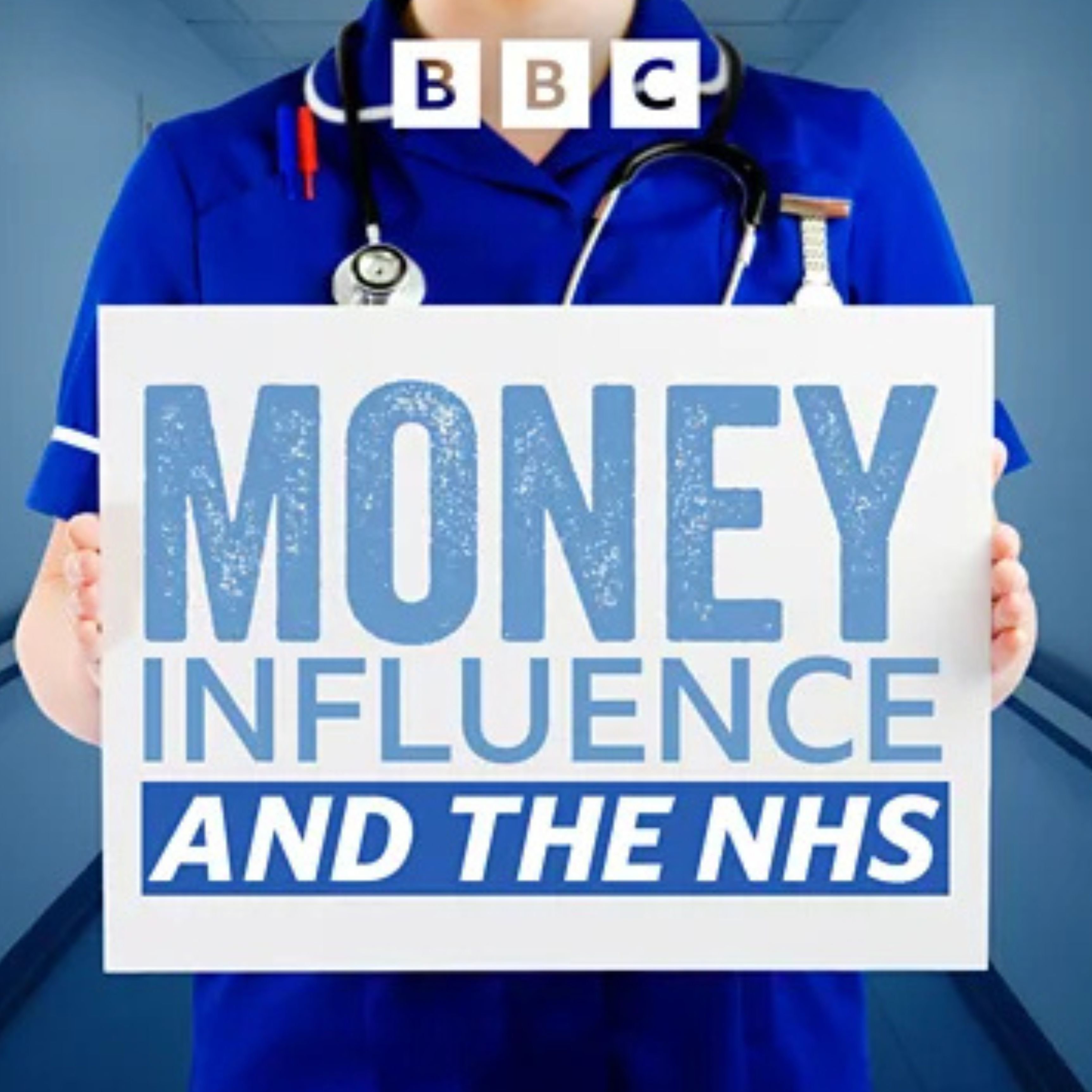
A new series on BBC Radio 4 called Money, Influence and the NHS examines conflicts of interest in the health service.
The series, presented by GP Dr Margaret McCartney, looks at practices across health and social care which can affect public trust.
The HRA is committed to making it easy to do health and social care studies that people can trust, and was approached by the programme’s production team for comment about how transparency supports trusted research.
In episode one, Dr McCartney explored the impact of research waste, or studies which don’t publish results and feed back to participants. ‘If you can't see all of the data, you can't make proper decisions’ she says.
A specific example from 2004, where a review of evidence into the use of antidepressants in children was stymied because only a proportion of relevant studies had published their outcomes, predates the current HRA. But The Care Act which established the organisation that we are today, is explicit that the Health Research Authority is responsible for promoting transparency in research including registration, publication and dissemination, access to study tissue and data, and feeding back to participants.
We launched our transparency strategy, Make it Public, back in 2020, and are currently preparing to publish our latest set of research transparency data.
Over the past years we have seen great progress in registration, the proportion of clinical trials that meet the condition of a favourable ethics opinion to register on a publicly accessible database before the first participant is recruited. This year’s data is expected to continue that trend. Registration has long been good practice, but when new clinical trials regulations take effect next month, it will also become a statutory requirement for clinical trials of medicines.
Results reporting, and sharing findings with trial participants, is also considered good practice under the UK Policy Framework for Health and Social Care Research. The HRA expects study teams to submit a final report within 12 months of the end of their trial, using a form available on our website. If this is not submitted, we chase the study team, though we don’t have enforcement powers.
This year, for the first time, we’re also preparing to publish data about the proportion of closed trials which have done this, and in future years we’ll publish a list of studies so it’s possible to see where this information is outstanding. Our data relates to clinical trials which we were told ended in 2023, and shows that the publication of summary results is improving, but that there is still some way to go.
Research transparency is a nuanced area of our work, where expectations and requirements are different for different types of study, and managed by different organisations involved in the regulatory process. But just as we expect researchers to be transparent about their work underway, and what it found, including with the people who gave their time, tissue or data to a study, we have also committed to being transparent about the change we’ve been able to make as part of our statutory responsibility, and the people we’ve worked with to make that happen.
Being transparent about research taking place and what it found helps earn and maintain peoples’ trust and confidence to take part in research. This is crucial so that research can take place and its findings can improve all of our care. Watch this space for our transparency data coming soon, and keep an eye on our website.
Money Influence and the NHS is on BBC Radio 4 on Wednesdays for the next 2 weeks. You can listen to all 3 episodes on the BBC website.