Executive summary
The HRA wants to make sure that health and social care research is done with and for everyone.
We have recently formed an HRA Community Committee with 11 members from across our community. The Committee is now part of our governance structure and will advise the HRA Board both on how we operate in practice and our bigger strategic ambitions.
We conducted an online survey to ask for feedback on the experience of applying to join the HRA Community Committee to help us to improve the process in future. We received a total of 24 responses.
Key takeaways from the survey included:
- the decision to send the interview questions to applicants in advance of the interview proved successful
- an additional proactive action is required around equality, diversity and inclusivity is required – we will consider how best we include and consider everyone’s accessibility requirements
we will consider how best to provide information about our work in the future, providing graphics and a lay language summary of what we hope to achieve in the future - this could help make future recruitment processes simpler for applicants.
Background and objectives
We want to make sure that health and social care research is done with and for everyone. Our strategy, ‘Making it easy to do research that people can trust’, sets out our ambitions:
- to make better decisions by working with a diverse group of people with a range of lived experiences
- to make sure that anyone who wants to get involved in research, is able to do so
Our Community Committee helps us to do this.
Who is the HRA Community?
Around 1,000 dedicated and committed people give their time to support the HRA's work. They make up our:
- Research Ethics Committees (REC)
- Confidentiality Advisory Group (CAG)
- Public Involvement Network (PIN)
Their efforts support health and social care research, and make an invaluable contribution to our vision, which is for high-quality health and social care research today, which improves everyone’s health and wellbeing tomorrow.
What is the HRA Community Committee?
We have recently formed an HRA Community Committee with 11 members from across our community. The Committee is now part of our governance structure and will advise the HRA Board both on how we operate in practice and our bigger strategic ambitions.
The Community Committee is chaired by Andrew George, who is a non-executive director of the HRA, and sits on our Board. He provides a direct link between the Committee and the HRA Board.
Because this is a completely new Committee, one of its first jobs has been to shape how it works in practice and we are working with the new members to do this.
Community Committee recruitment and equality, diversity and inclusivity data feedback survey
We recruited to the Community Committee over the summer of 2023.
A member of the previous Community Insight Group was involved in this process. We tried to design a fair process that was accessible, but we know that we can do more to improve this. With this in mind, we gathered feedback on the process to help us improve in future.
The process involved: listing a detailed recruitment advert online which was circulated via HRA Latest, the HRA Public Involvement Newsletter, and by word of mouth at HRA meetings; creating an online application form; and scheduling online interviews with the questions shared ahead of time.
We asked for feedback on the experience of applying to join the HRA Community Committee to help us to improve the process in future. We also asked all respondents to complete equality, diversity and inclusivity monitoring anonymously. This report also summarises these findings.
The target population included applicants who applied to join the Community Committee and included those who were not invited to interview.
The purpose of the survey was to learn from feedback given by respondents of the application and interview process to improve this service and celebrate any successes which can be used in the future.
HRA Community Committee recruitment process feedback
Methodology
The survey was conducted online only.
Responses to the survey were anonymous and we did not collect any personal information. Respondents were advised to be aware when answering the questions that some information they provide may make it possible to identify them.
The HRA asked a total of 14 questions exploring several themes, asking for applicant feedback on:
- the application and interview process approach
- interview logistics
- the usefulness of information about the Community Committee HRA provided
- any challenges faced
- areas of improvement
Results
The HRA received a total of 24 responses to the survey.
Question: How did you hear about the opportunity to join the Community Committee?
Figure 1
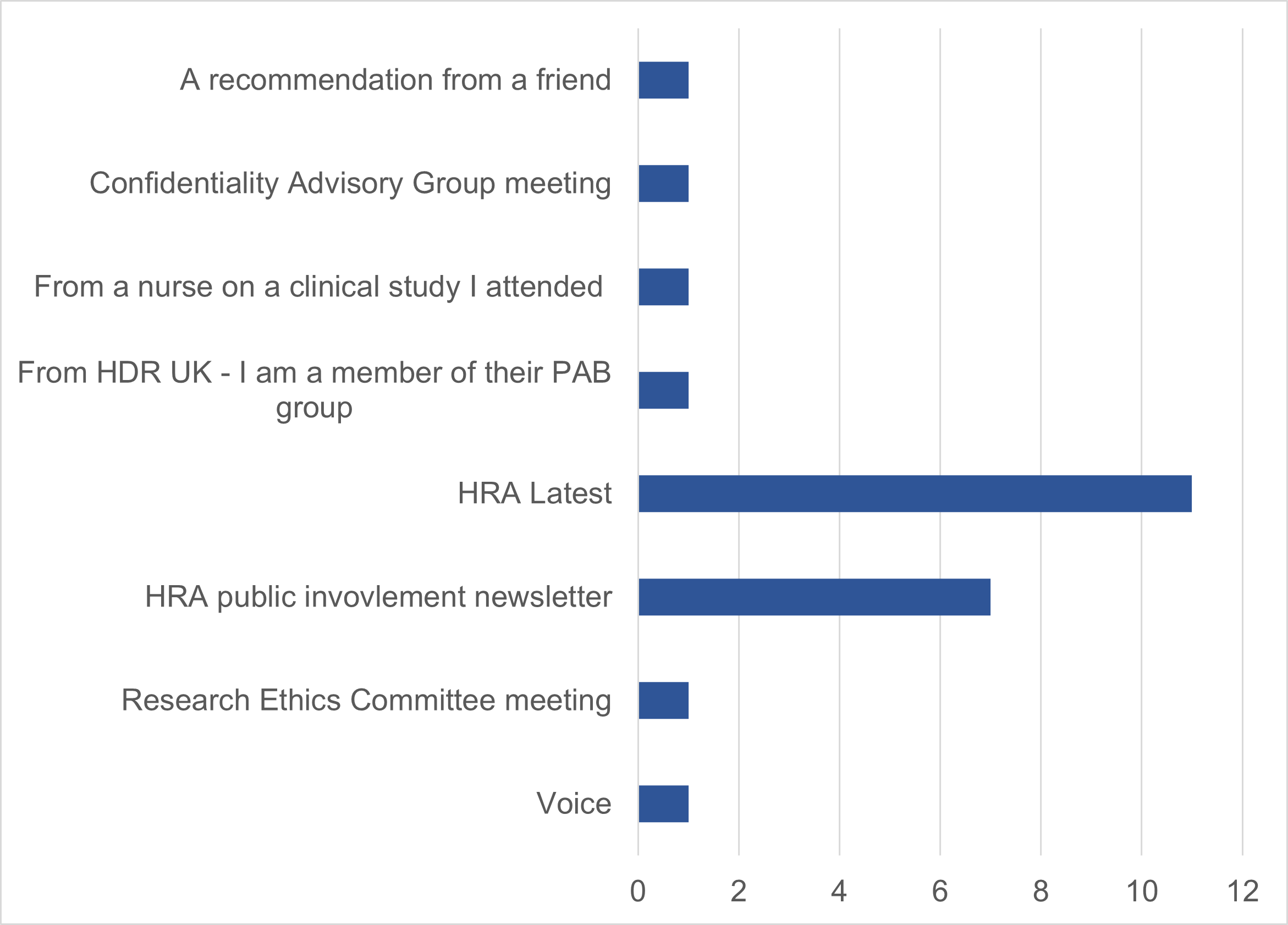
Figure 1 bar chart showing how respondents heard about the opportunity to join the Community Committee.
46% of respondents heard about the Community Committee opportunity via HRA Latest, with 30% of respondents hearing via the HRA public involvement newsletter.
This demonstrates continued success of HRA Latest and the public involvement newsletter in reaching our community and encouraging proactive engagement.
Question: Did you feel that you had enough information about the plans for the Community Committee when making your application?
Figure 2
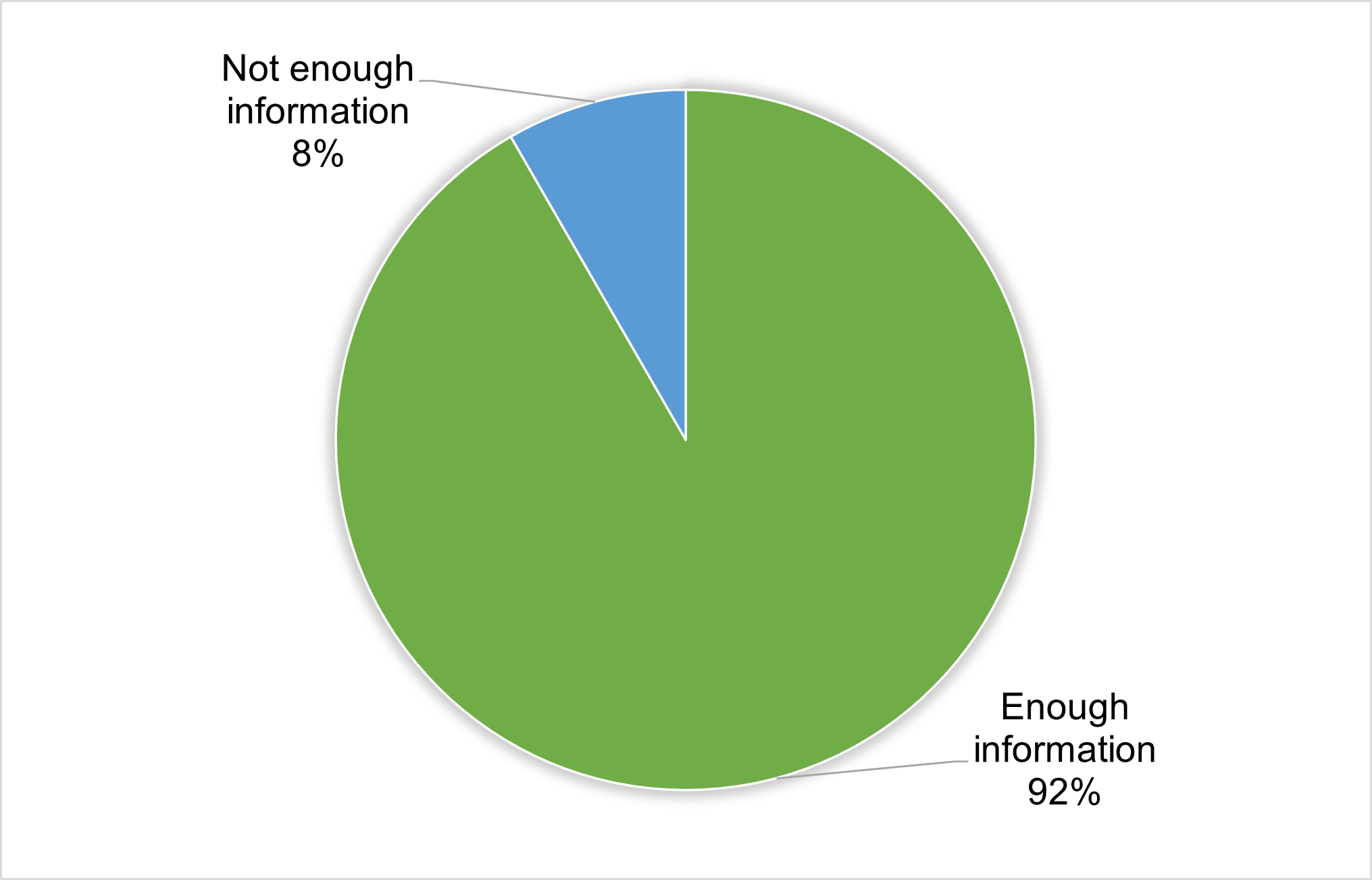
Figure 2 pie chart showing if respondents felt they had enough information to consider joining the Community Committee.
Summary of figure 2: The bar chart shows that 92% of respondents found there was enough information provided, while 8% of respondents stated there was not enough information.
Most respondents felt that there was enough information provided when considering whether to apply to become a Community Committee member.
However, there remains a significant proportion of people who would have liked additional information regarding what the HRA expected the Community Committee to do as it was felt that the Committee’s remit was unclear. This likely reflects that recruitment intentionally took place ahead of refining the Committee’s remit, which we plan to do with the new Committee members. Hopefully this will not be an issue in the future but it is a helpful reminder of the importance of clear information.
Question: Did you feel well-informed throughout the application process?
The HRA sent an email updating applicants with information on where we were with the recruitment process and upcoming timelines. We also shared information about what was expected at each stage of the recruitment process.
Figure 3
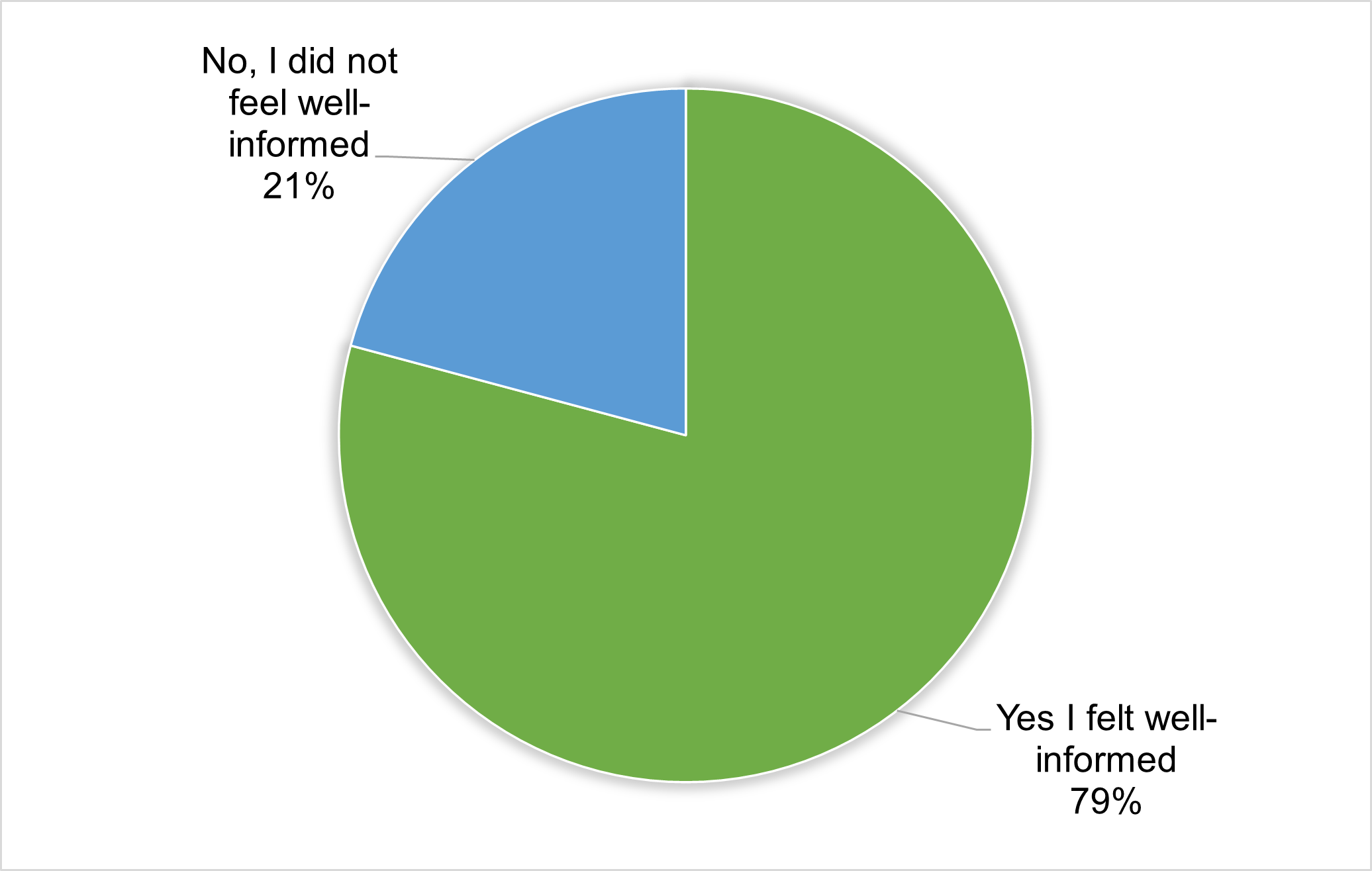
Figure 3 pie chart showing if respondents felt well-informed throughout the application process.
Summary of figure 3: The bar chart shows that 79% of respondents felt well-informed throughout the application process, while 21% did not.
Most respondents felt well-informed throughout the application process.
However, there remains a significant proportion of people who did not feel well-informed.
Recommendation – HRA to consider how best to keep future applicants up to date with the application process, interview, and decision-making process where possible
Question: What else would you have liked to know?
Respondents were asked what other information they would have liked to have known about the Community Committee itself, the application to become a member and information required before and after the interview process.
Additional information
- additional information on timescales of the process is required
- provide additional communication detailing why an application was unsuccessful - a tailored rejection notice is required (one respondent felt the notice they received was general, and a notice should include an explanation as to why an application was unsuccessful to ensure the person is informed of the reason).
Clear instruction
- clear instructions on what was required in the application form - one applicant believed being succinct in their response was a requirement but was then informed by HRA that more in-depth information was required
Lay language
- clarification of terminology - one applicant felt the criteria terminology HRA used was confusing, for example: what constitutes a ‘professional person’?
Apply to be part of the Community Committee
It is really important that the application process to join the Community Committee is easy to access and understand and gives us enough information to select people to interview. To apply to join the committee, we asked you to complete an online survey with a number of questions.
Question: What was good about this approach?
One respondent stated that the approach was open and transparent, with another agreeing the information was clear and concise.
One respondent stated that the approach allowed for the HRA to get the information they needed from them effectively. While another respondent agreed that it was an easy way to upload an application as they could work on text separately and then copy into the form.
One respondent observed that they do not recall completing a survey and it felt more like a questionnaire than a survey.
It was noted that it was nice to receive direction as to the information that was required as opposed to being asked to compose a cover letter for submission.
With another observing that it is a good way of asking people to articulate the qualities and experiences you are seeking.
One respondent found this was a good approach as it made them think about HRA values and what HRA wants to achieve in the future, with another noting that they got the information they required.
A respondent found that the approach focused too much on what the HRA currently does and there was not enough information provided about what the HRA wants to do.
Question: Did you experience any challenges in completing the online survey?
Three respondents agreed that the approach was easy, the process was relatively straightforward, and the application itself was easy to complete.
A respondent noted that the questions covered a lot of ground and required serious consideration.
One respondent stated they were relatively happy with the process and understood the need to limit the wording as the application process is fair when everyone is constrained to what can be submitted.
However, one respondent felt that the approach made the questions difficult to answer, particularly questions regarding the remit of the Committee.
Question: What about this approach could we improve in future?
Clarity
While one respondent agreed that this was a good approach, they recommend that the HRA provide a more graphic explanation, a way of communicating clearly for those who are in any way disabled.
Greater clarity is required, and any questionnaire needs to allow for slower response times.
Logistics
One respondent felt that while the application was easy to complete, there was little space to include personal information.
The process
We shortlisted 17 people to meet with a small panel so that we could select up to 9 committee members. If you took part in an online interview, we would really like to understand what the process was like for you.
Question: Did you take part in an online interview?
Figure 4
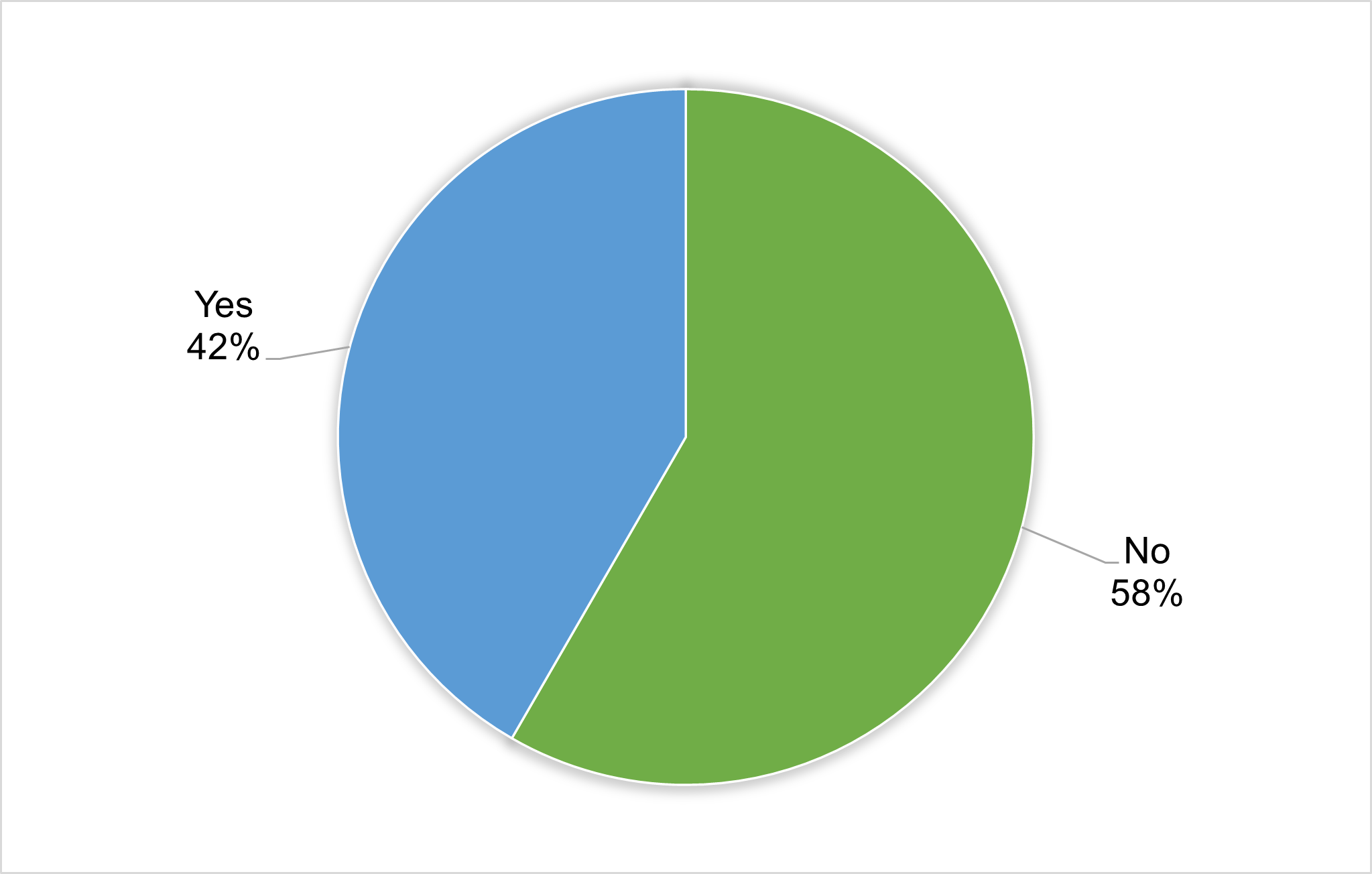
Figure 4 pie chart showing if respondents took part in an online interview.
Summary of figure 4: The pie chart shows that 14 respondents did not take part in an online interview, while 10 respondents did.
Question: What was good about the interview process?
Interview panel
- one respondent felt that the interview process was very fair, and all the panel members were approachable
- a further observation was that the interview process was relaxed
- one respondent commented that everybody was very pleasant at the interview
Interview questions
- three respondents agreed that being sent the interview questions in advance was very useful
- another noted that the interview process was quite informal but challenging
Interview setup
- one respondent noted that the interview process was convenient as it was conducted online
Question: Did you experience any challenges taking part?
Logistics
A respondent felt that they talked too much because there was a lot to say in answer to the questions HRA asked.
Another observed that the interview time that they were allocated was quite short for the number of questions sent in advance, and as such, they felt conscious of time when giving their answers. Another respondent felt that the questions asked made them think about their responses.
One respondent noted that there was some contradiction around the interview process – HRA stated that the interview was informal yet scored and assessed applicants formally.
Question: What could we improve in future?
Logistics
- make sure the interview time is sufficient for the number of questions and follow up questions
- consider face to face interviews in the future
- consider atmosphere – while some applicants found the interview pleasant and relaxed, others did not. One respondent found an interviewer intimidating which made them nervous and inarticulate
Question: Is there anything else that you would like to tell us about the application process?
Diversity
A respondent noted that when they read the advert, the role was advertised a paid role, after they applied, they realised it was not. While the work is really valued, they would struggle to take on any more unpaid roles. The interview was inspiring, and it is a privilege to be given such an opportunity but having given up much of their free time to a Research Ethics Committee and acting as a region research champion role, coupled with having young children and the cost-of-living crisis, it would be challenging to become a member. The respondent feels that not paying for these roles will impact the diversity of the Committee.
One respondent noted that they found it unclear what type of person or experience the HRA was looking for in a member, with a further stating that a better understanding of the applicant’s profile is needed, ensuring protected characteristics are considered.
One respondent applied as an experienced clinical researcher but felt it was public applications that the HRA was seeking. However, they hope to be able to get involved in some way with the HRA in the future.
Logistics
While another respondent found that having the interview questions in advance, helped them prepare and feel less nervous.
One respondent observed that the application and interview process was vague, with another respondent suggesting that keeping in touch with applicants about timelines in the future would be good, recognising the time commitment that applicants have given to the process.
There was an observation that the process should be more simple and not as formal in the future, as this may put people off, and diversity may be lost.
There was an ask for the HRA to supply a more detailed view of internal project planning of the programme’s full implementation.
One respondent asked if applications could be submitted via post in future.
Two respondents gave thanks to the HRA for the information provided, for trying to make the process easy and the consideration given to needs.
HRA Community Committee equality, diversity and inclusivity data
1. Responses
We received a total of 16 responses to the equality, diversity and inclusivity questions asked of the survey respondents.
We acknowledge that this a small pool of data, but the figures allow for key comparisons to be drawn which allows us to recognise gaps in our recruitment process, any risks surrounding these gaps, and for us to create actions and recommendations for the future for us to continue to improve.
2. Data
The survey asked our applicants about themselves in the following demographic categories:
- participation classification
- age
- disability
- physical and mental health
- neurodivergence
- ethnicity
- gender (sex)
- sexual Orientation
- religion and belief
- employment status
- caring responsibilities
- UK regional residence
Results
3.1 Participation Classification
Figure 1
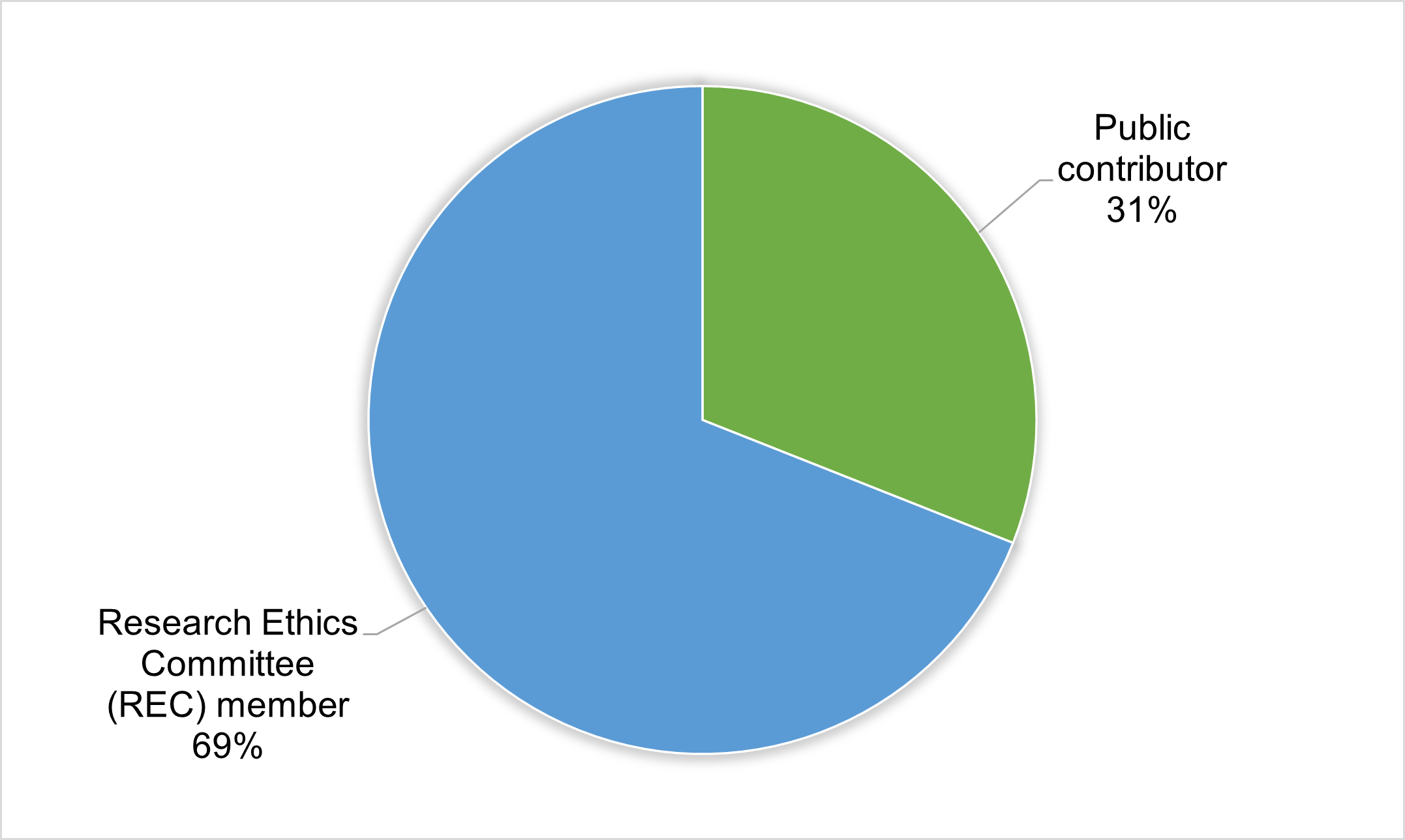
Figure 1 pie chart showing the percentage of respondents who are classified as a public contributor or Research Ethics Committee (REC) member.
Summary of figure 1: The pie chart shows that 31% of respondents identified as public contributors and 69% of respondents identified as Research Ethics Committee (REC) member.
We know that most applicants to join the Community Committee were REC members.
3.2 Age
Figure 2
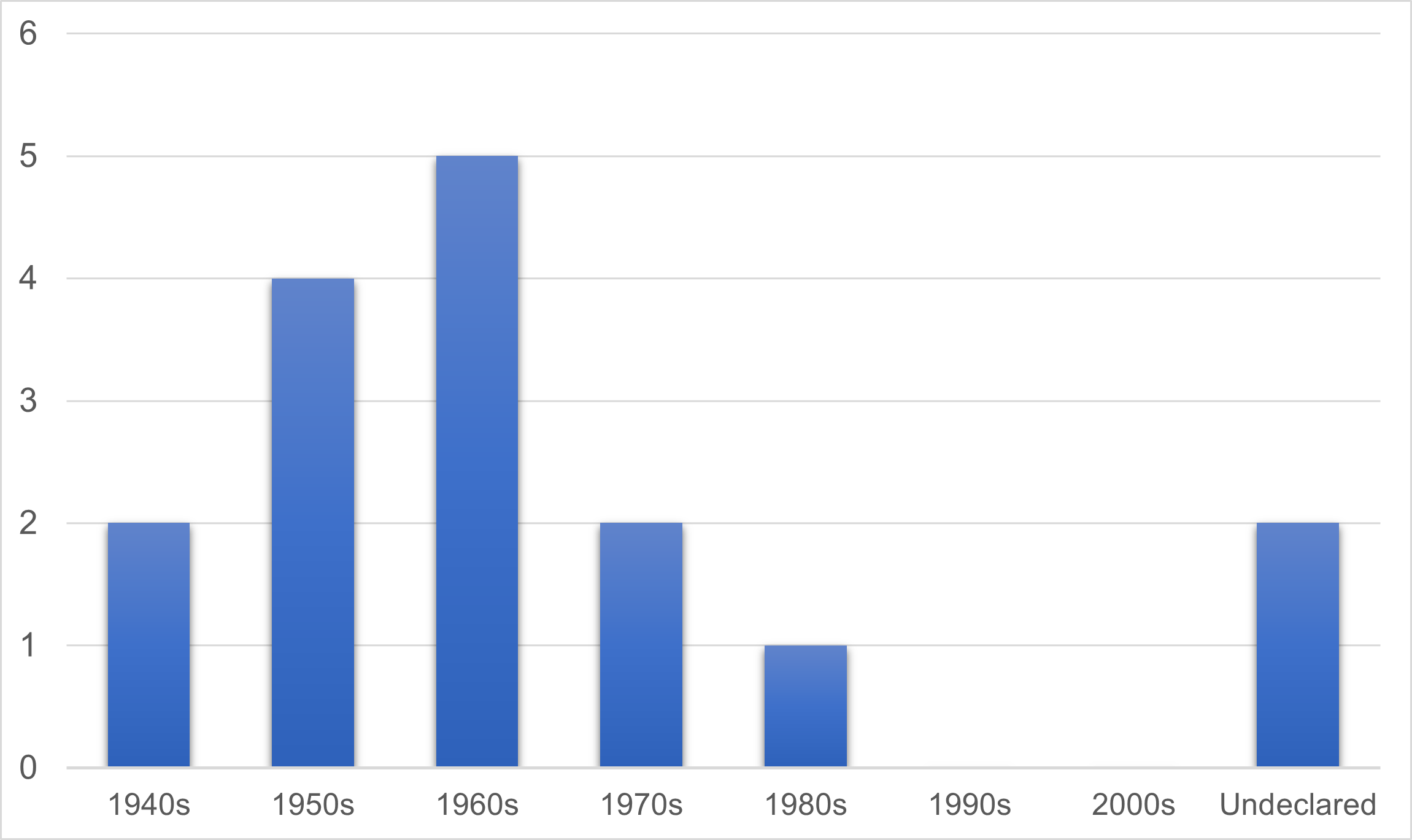
Figure 2 bar chart showing the year of birth of each respondent.
Summary of figure 2: The bar chart shows the number of respondents born in each decade. Two respondents did not wish to disclose their age.
The average age of respondents to join the Community Committee was 62 years of age.
We know from our recent demographic survey that the HRA Community is an older population, with 43% of our members aged 65 and above and a further 27% aged 55 to 64. This makes 70% of our membership aged 55 and above. We have very few members (16%) who are below the age of 45.
We would like to work with the Community Committee to identify ways to reduce barriers to participation in our work.
3.3 Disability
Figure 3
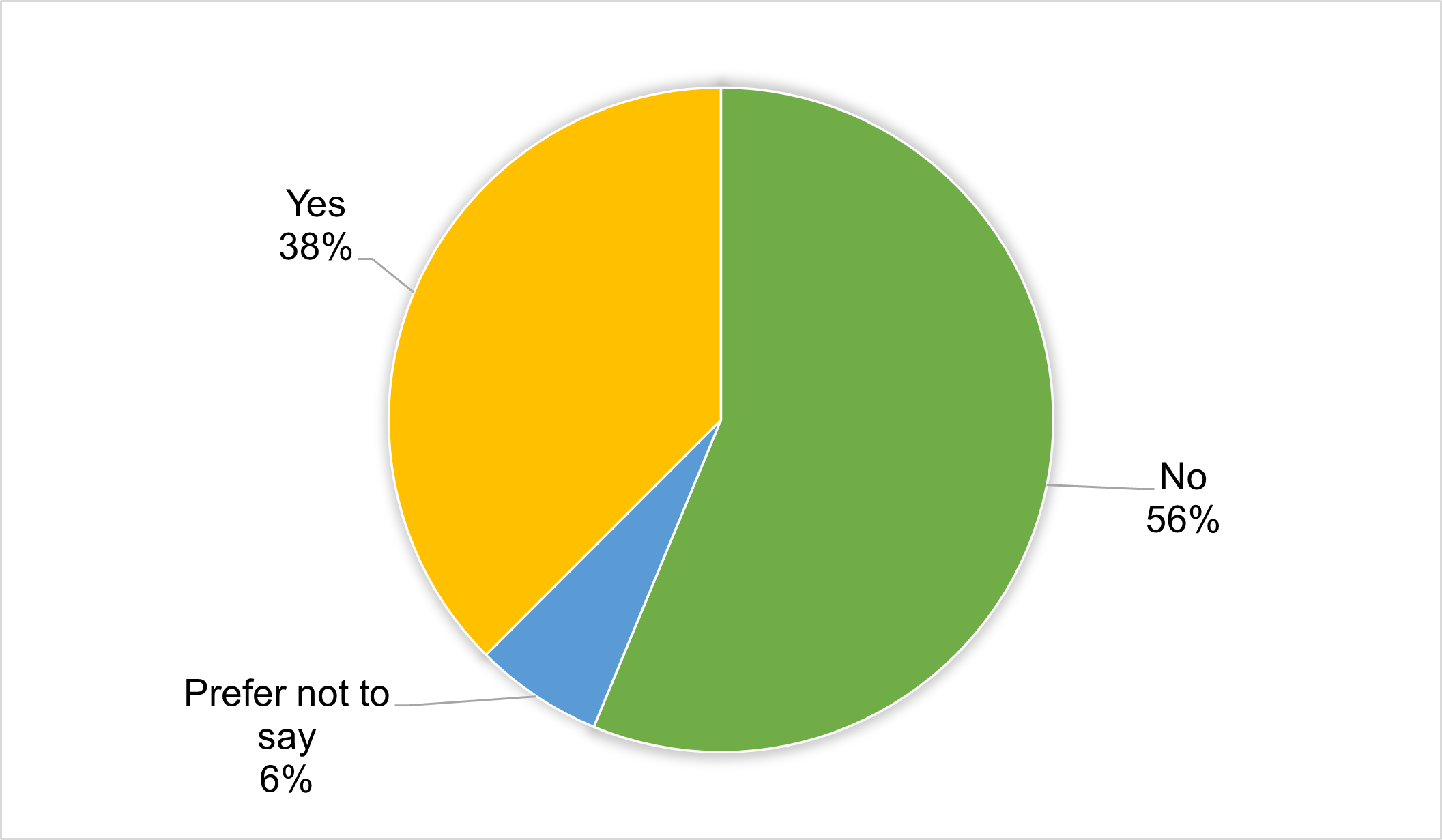
Figure 3 pie chart showing the percentage of respondents who consider themselves a disabled person.
Summary of figure 3:The pie chart shows that 56% of respondents do not consider themselves a disabled person, 38% of respondents do consider themselves a disabled person and 6% of respondents preferred not to say.
We know from our recent demographic survey that around 12% of HRA Community members consider themselves to have a disability.
The number of people who applied to become a Community Committee member and consider themselves to have a disability is significantly higher than our wider HRA community.
3.4 Physical and mental health
Figure 4
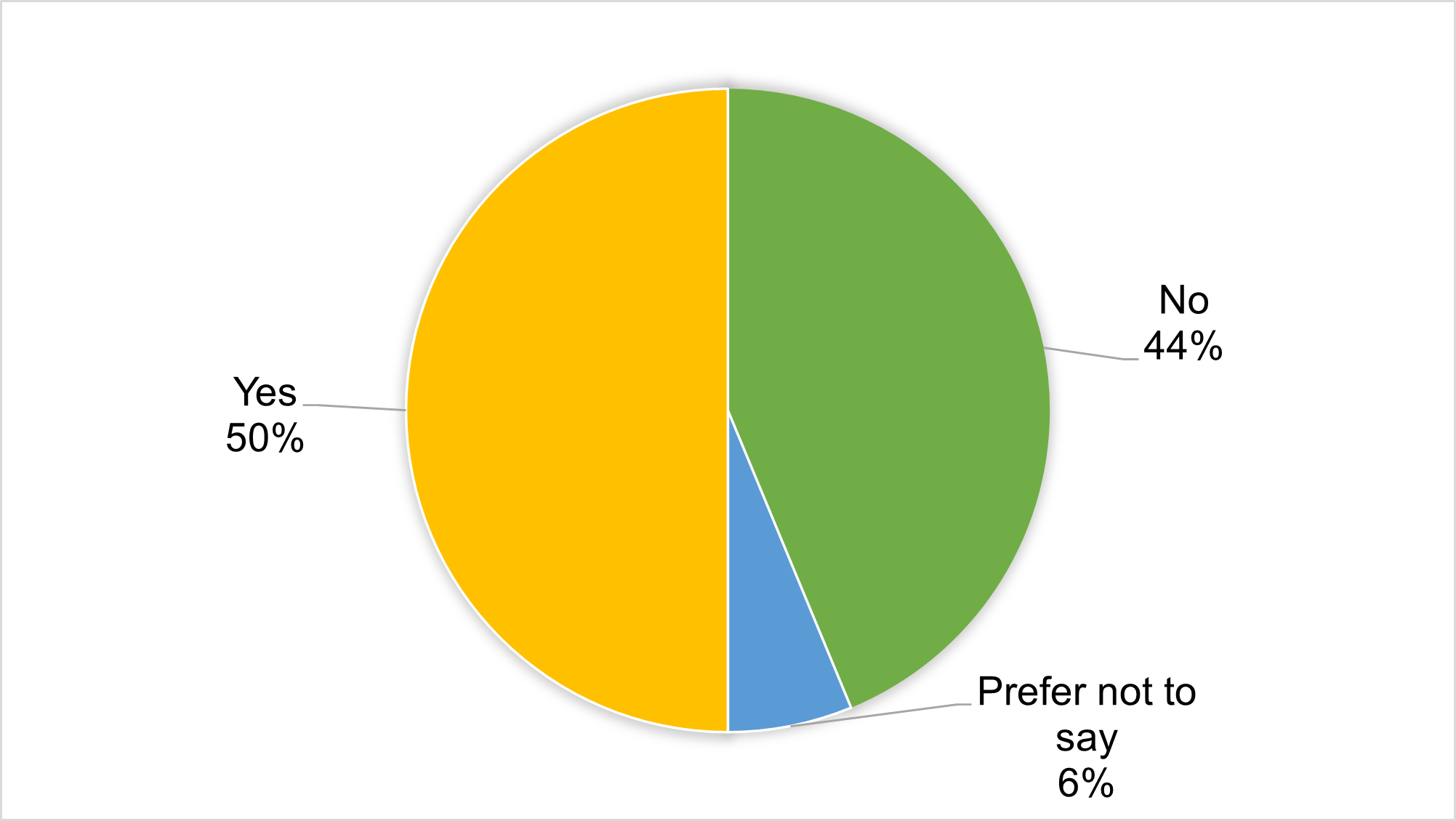
Figure 4 pie chart showing the percentage of respondents who have a physical or mental health condition.
Summary of figure 4
The pie chart shows that 44% of respondents do not have a physical or mental health condition, 50% of respondents do not have a physical or mental health condition and 6% of respondents preferred not to say.
3.5 Neurodivergence
Figure 5
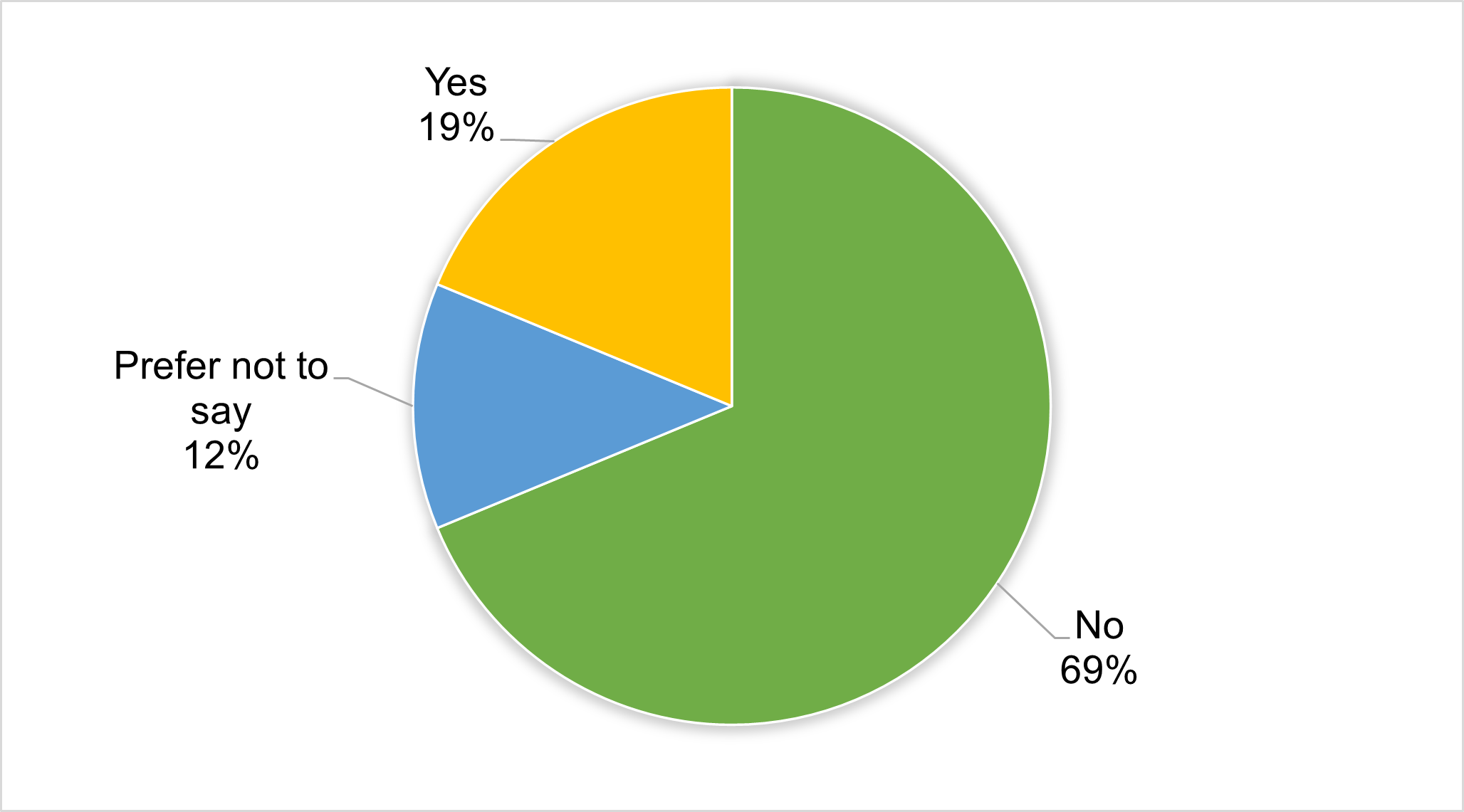
Figure 5 pie chart showing the percentage of respondents who are neurodivergent.
Summary of figure 5
The pie chart shows that 69% of respondents are not neurodivergent, 19% of respondents are neurodivergent and 12% of respondents preferred not to say.
3.6 Ethnicity
Figure 6
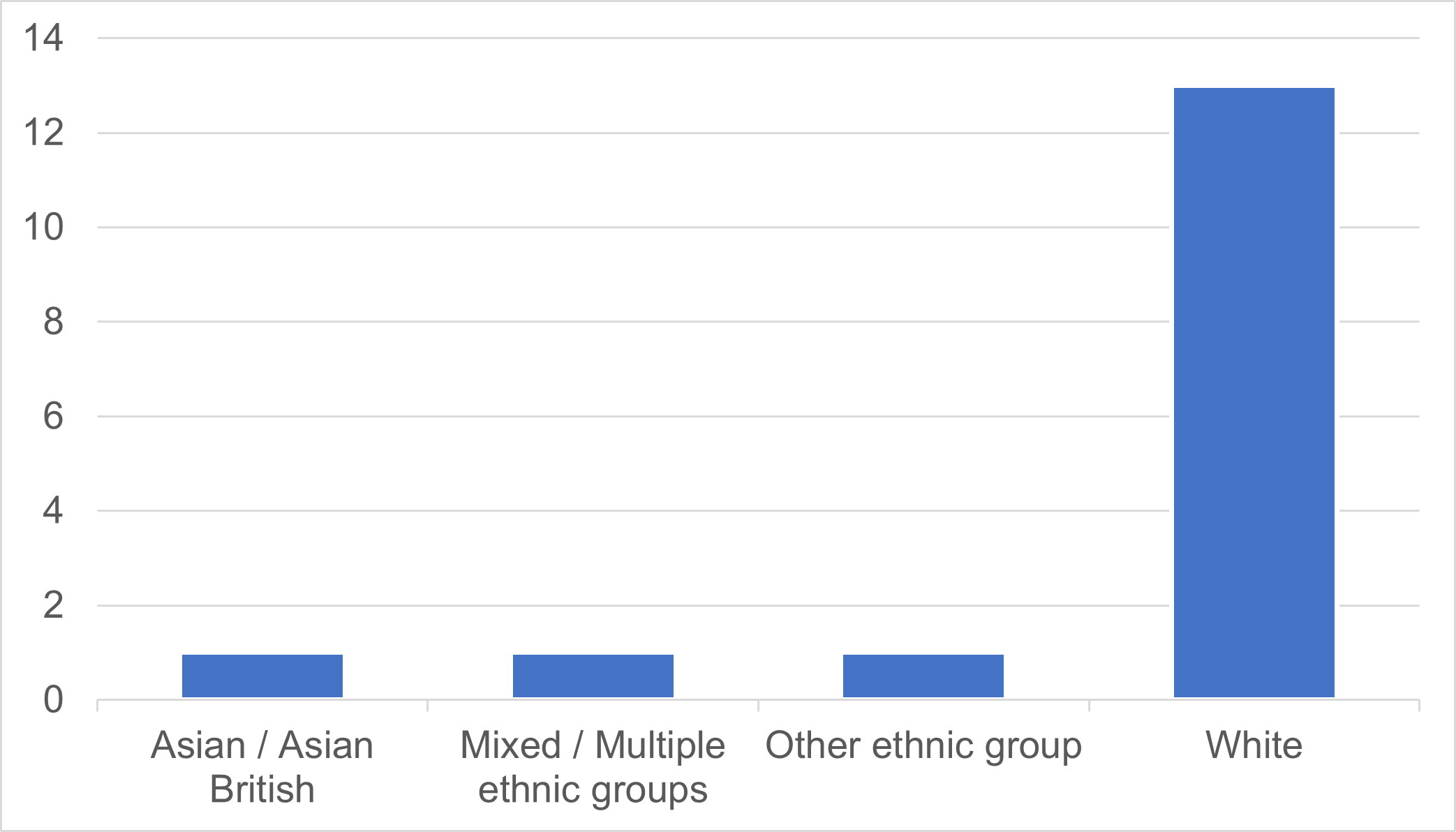
Figure 6 bar chart detailing the ethnic group of the respondents.
Summary of figure 6:
The bar chart shows that 81% of respondents are White, 7% Asian/Asian British, 6% mixed/multiple ethnic groups, and 6% other ethnic group.
We know from our recent demographic survey that most members (79.7%) describe themselves as White British (including devolved nations). This reflects the English population. However, there are also a large number of our members who describe themselves as being from any other White background (10%). This is out of proportion to the English population.
We would like to work with the Community Committee to identify ways to reduce barriers to underrepresented ethnic groups.
3.6 Gender (sex)
Figure 7
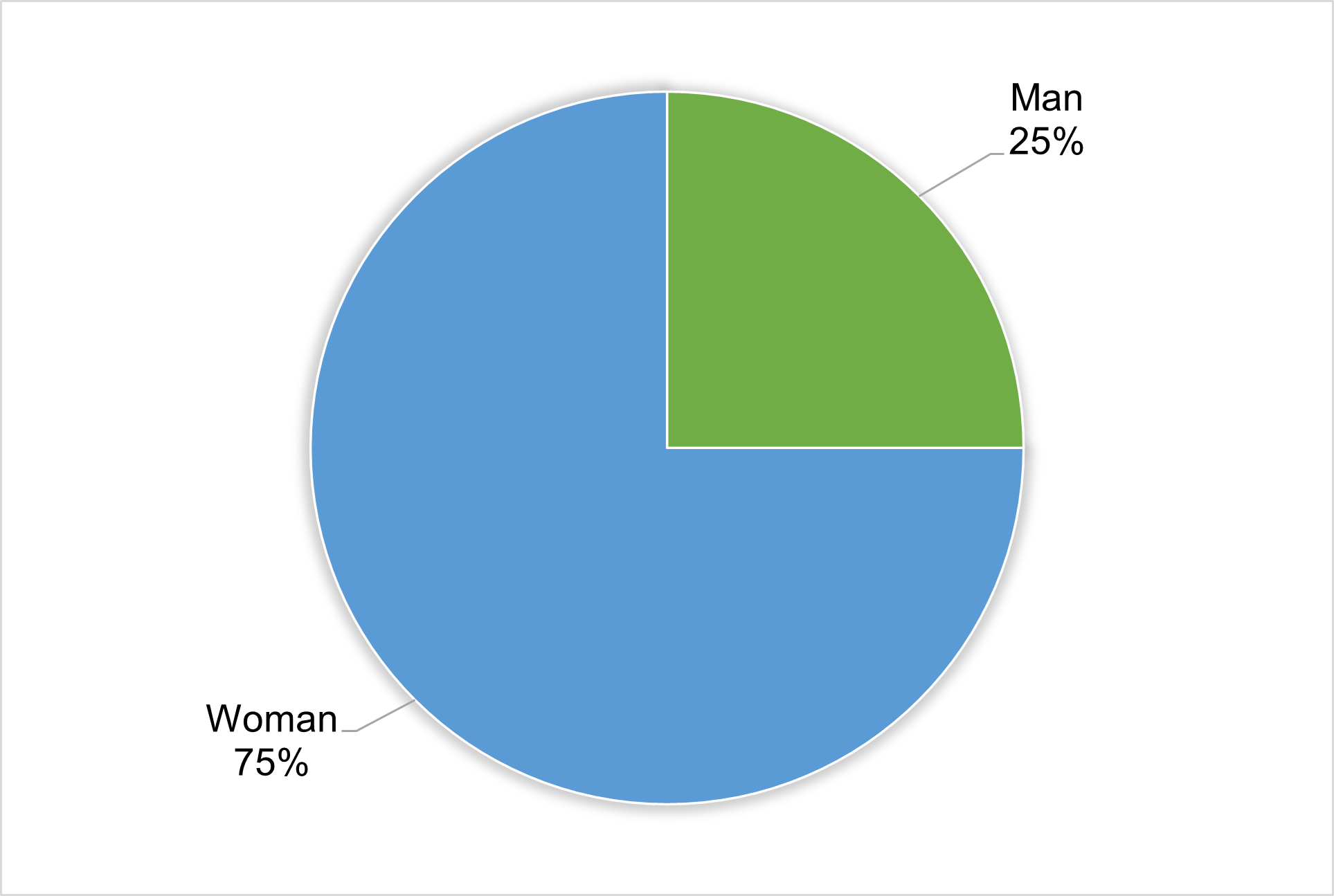
Figure 7 pie chart detailing which best describes survey participant’s gender.
Summary of figure 7:
The pie chart shows 75% of respondents describe gender as male, 25% of respondents describe gender as female.
We know from our recent demographic survey that HRA membership is predominantly female. Women account for 62% of our membership compared with only 35% men.
This does not reflect the national population as the ONS data shows that around 51% of the English population are women.
We can see from the data that no applicants identified as trans. Those who applied were predominately female, (75%), which is significantly higher than the proportion of those who identify as female in the wider HRA community (62%).
We would like to work with the Community Committee to identify opportunities to attract more men/male and applicants who identify as trans to roles at the HRA.
3.8 Sexual Orientation
Figure 8
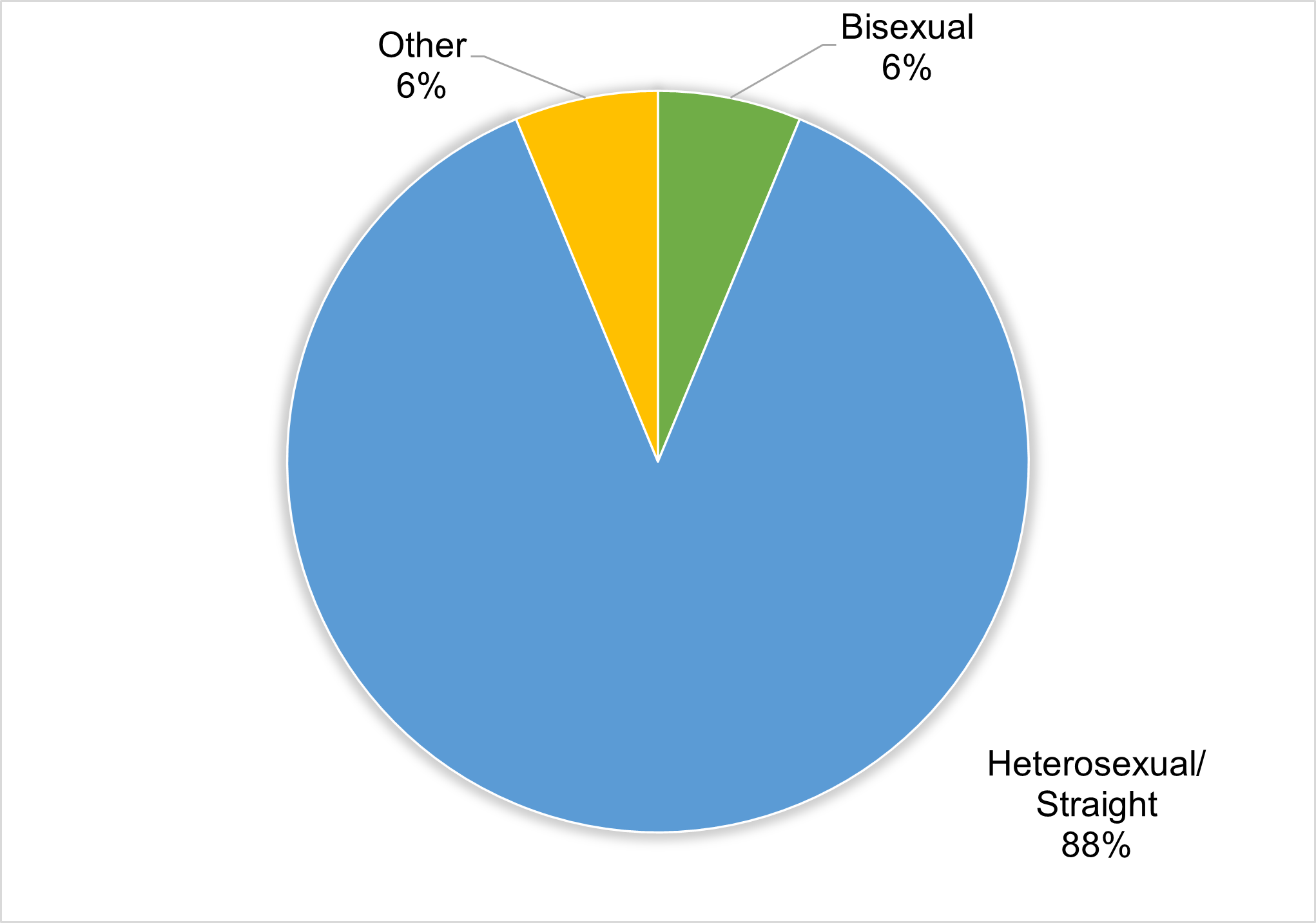
Figure 8 pie chart detailing which best describes survey participant’s sexual orientation.
Summary of figure 8:
The pie chart shows 88% of respondents describe sexual orientation as Heterosexual, 6% of respondents describe sexual orientation as Bisexual, 6% of respondents describe sexual orientation as other.
We know from our recent demographic survey that the majority of HRA members identify as heterosexual/straight (86%) which is a reasonable reflection of the English population (94%).
3.9 Religion or belief
Figure 9
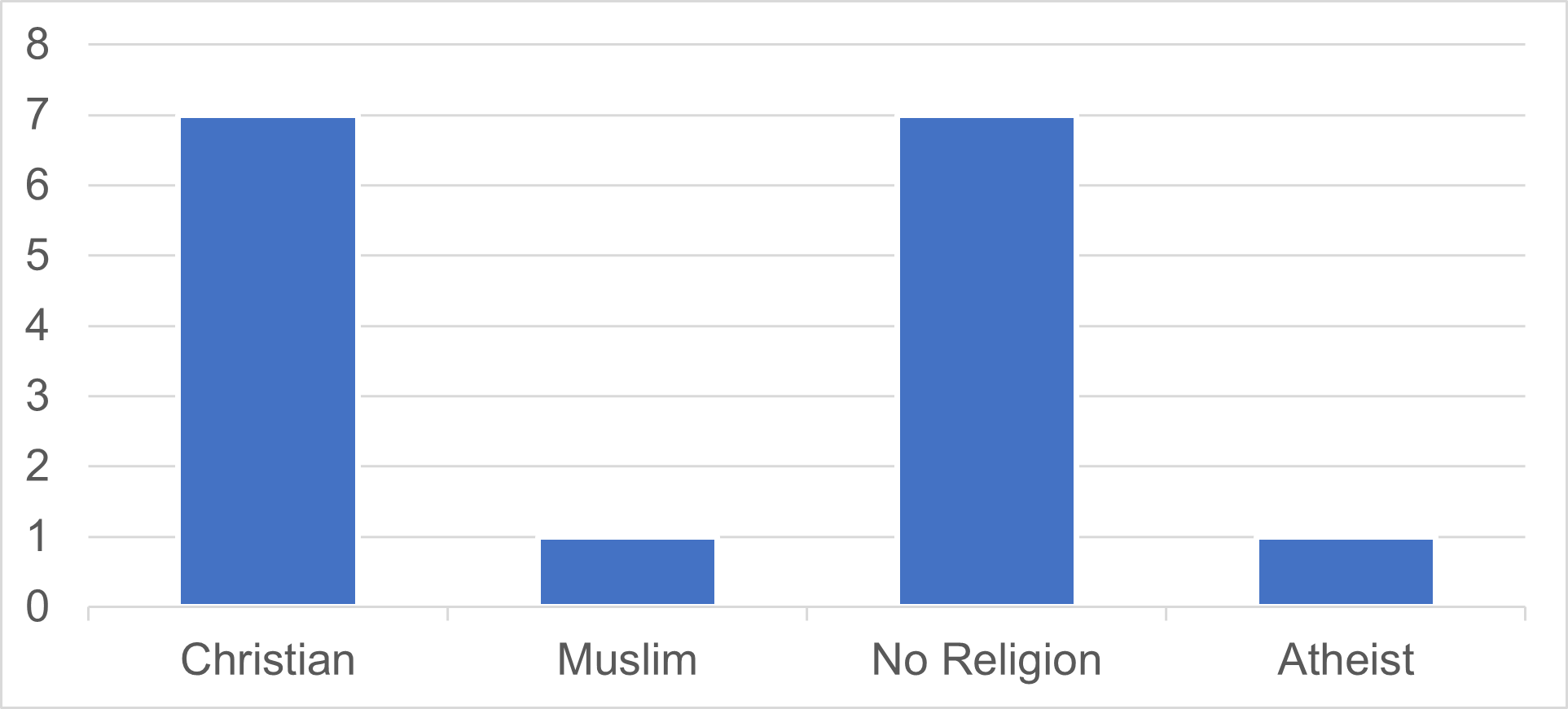
Figure 9 bar chart detailing survey participant’s religion or belief, if any.
Summary of figure 8:
The bar chart shows 44% of respondents identify as Christian, 6% of respondents identify as Muslim, 6% of respondents identify as having no religion, 6% of respondents identify as Atheist.
3.10 Employment status
Figure 10
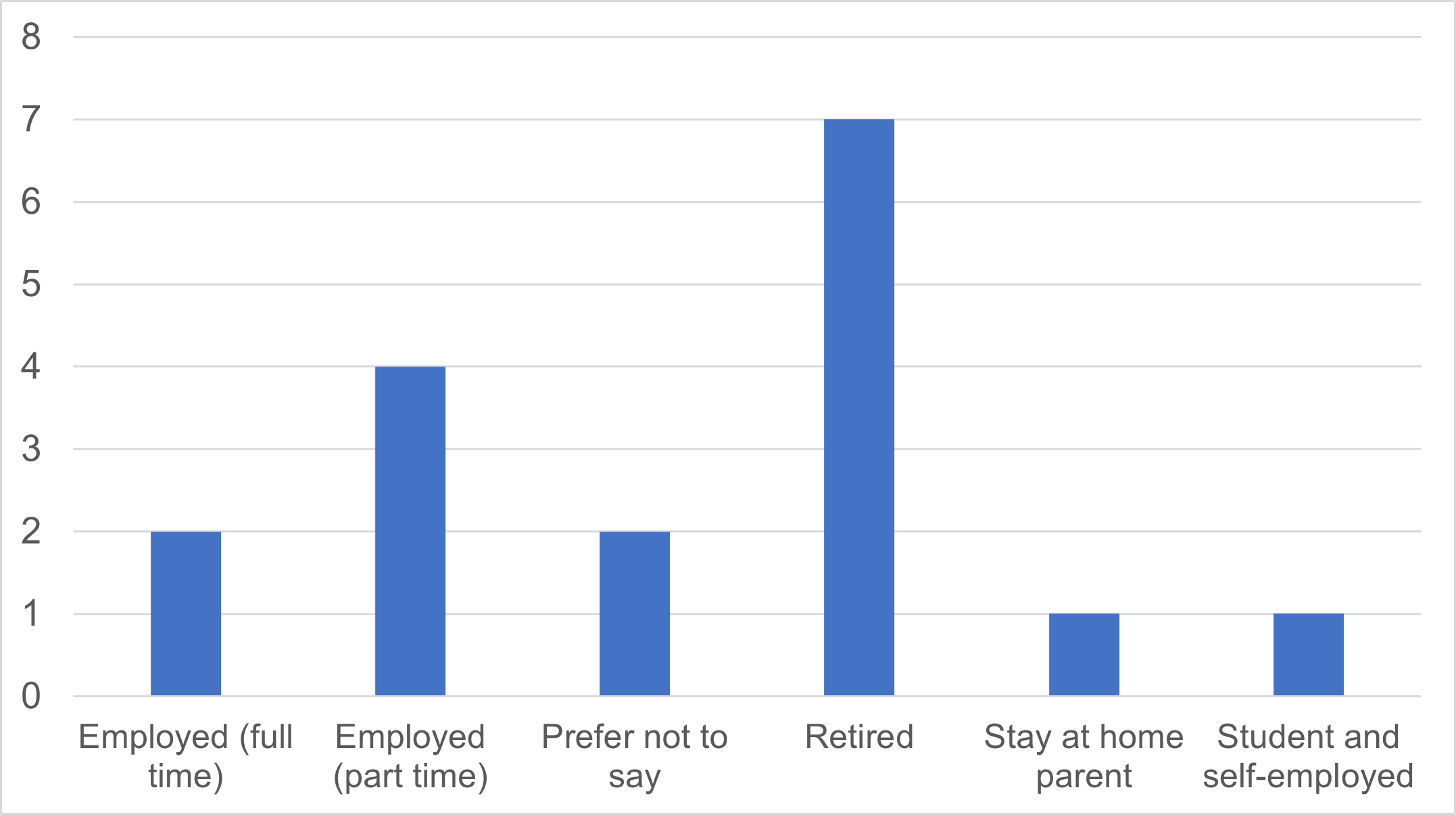
Figure 10 bar chart detailing respondents’ employment status.
Summary of figure 10:
The bar chart shows 41% of respondents were retired, 23% employed part time, 12% employed full time, 12% of respondents preferred not to say, 6% of respondents were students and self-employed, and 6% of respondents were stay at home parents.
Those who applied to become a Community Committee member were predominately retired.
We would like to work with the Community Committee to attract more applicants to the HRA who are employed both full and part time.
3.11 Caring responsibilities
Figure 11
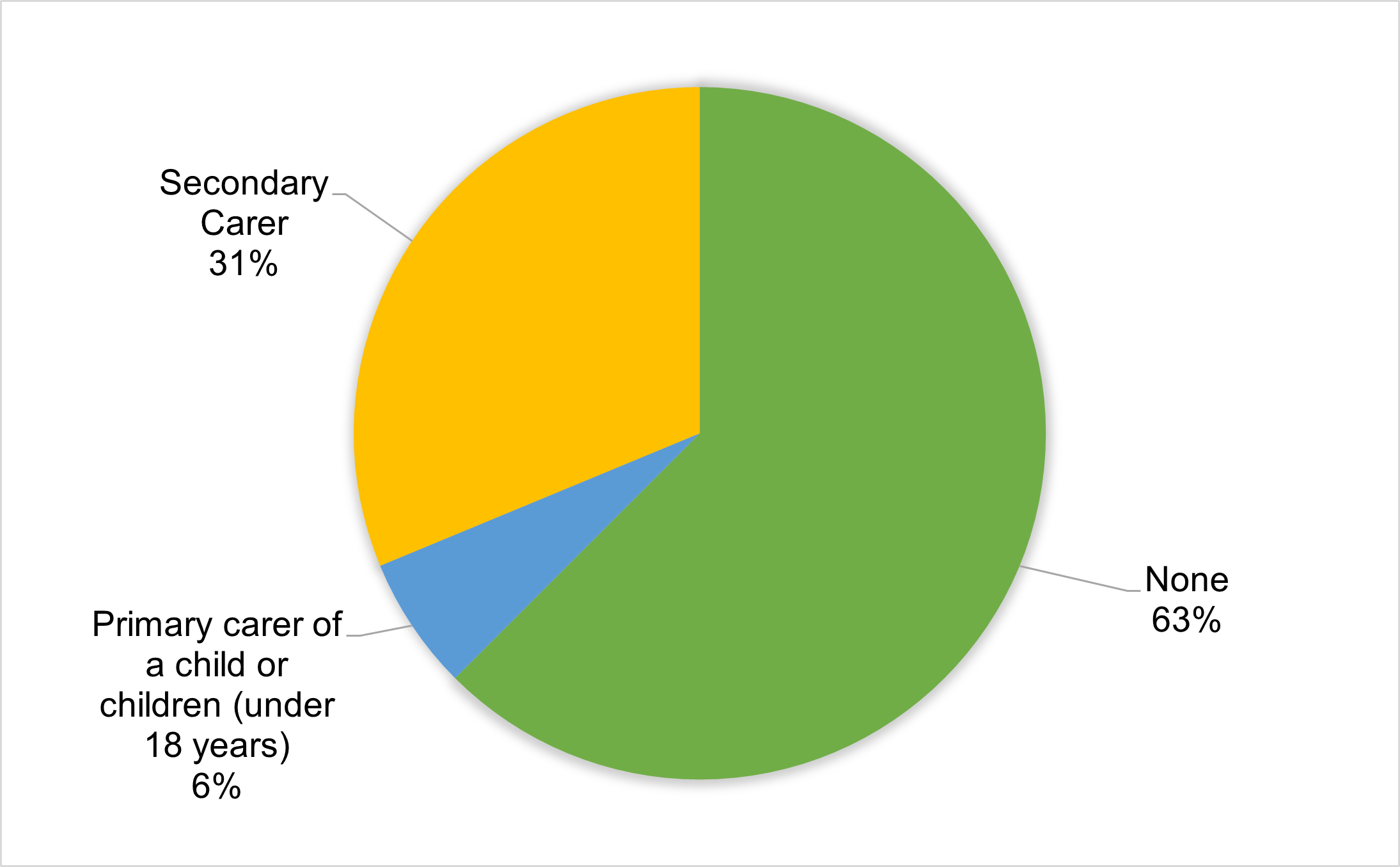
Figure 11 pie chart detailing respondents caring responsibilities.
Summary of figure 11: The pie chart shows 63% of respondents did not have caring responsibilities, 31% of respondents were secondary carers and 6% of respondents were primary carers of children (under 18 years).
We would like to work with the Community Committee to attract more applicants to the HRA who have caring responsibilities.
3.12 UK regional residence
Figure 12
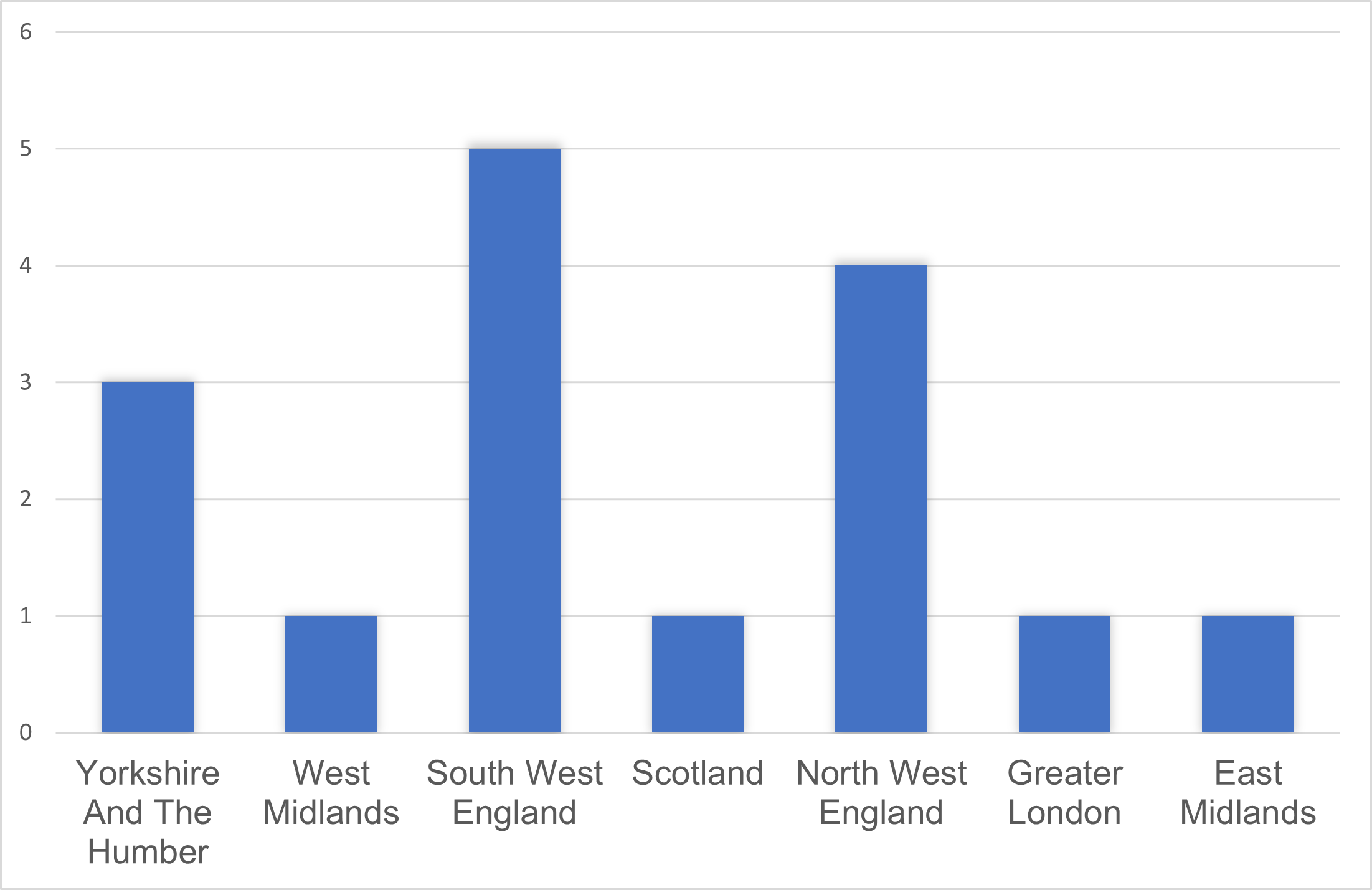
Figure 12 bar chart detailing which UK region respondents reside in.
Summary of figure 12:
The bar chart shows 31% of respondents live in the South West, 25% in the North West, 19% in Yorkshire and the Humber, 7% in the West Midlands and 6% in Greater London, the East Midlands and Scotland.
We would like to work with the Community Committee to attract more applicants to the HRA from all devolved nations of the UK (Scotland, Wales and Northern Ireland) as well as the Anglia area and the North East where possible, as part of the finalisation of the committee’s terms of reference.
Conclusion and takeaways
Logistics
The decision to send the interview questions to applicants in advance of the interview proved successful and should be considered again in future recruitment drives.
The HRA should provide clear information and application instructions in future recruitment drives regarding remit and purpose of the committee. We will consider how best to keep future applicants up to date with the application process, interview, and decision-making process where possible.
Equality, diversity and inclusivity
We will consider how best to provide information about our work in the future, providing infographics and lay language summaries of what we hope to achieve. This could help make future recruitment processes simpler for applicants.
Additional proactive action around equality, diversity and inclusivity is required. We will consider how best we include and consider everyone’s accessibility requirements and make the relevant adjustments when needed, such as offering face to face interviews, where possible, or schedule longer interview times.
We make better decisions, informed by a diverse group of people with lived experience.
More diverse groups of people with relevant lived experience are involved in all stages of research and are able to take part, with the findings shared publicly so that they can be used to improve care.
At the HRA we want to increase our reach and diversify our networks and begin engaging with those we do not usually interact with. We know that right now we aren’t reaching everyone and as such our 2022-25 strategy sets a clear priority for us to ensure we include people in research to make sure it is being done with and for everyone.
To do this we need to learn whether what we do and how we communicate about it is of interest to people - and if not, why not.
We plan to use these new insights to help shape how we engage in the future and how we present role opportunities at the HRA, in particular our REC and CAG recruitment campaigns.
To begin this learning we will:
- build new relationships with community groups that represent those who currently report being less engaged and trusting of research and research regulators
- establish mechanisms to reach diverse groups of people including those that are currently under-served by research to hear what they want research to look like and act on this
- include a more diverse group of people in our regulatory decision-making committees
- design our digital systems in a human-centred way by creating diverse teams that care about making better our users’ entire experience of working with us